How to Start a Pet Grooming Business: Complete Guide for 2026
Everything you need to open a pet grooming business, from writing your business plan and getting licensed to buying equipment and booking your first clients.
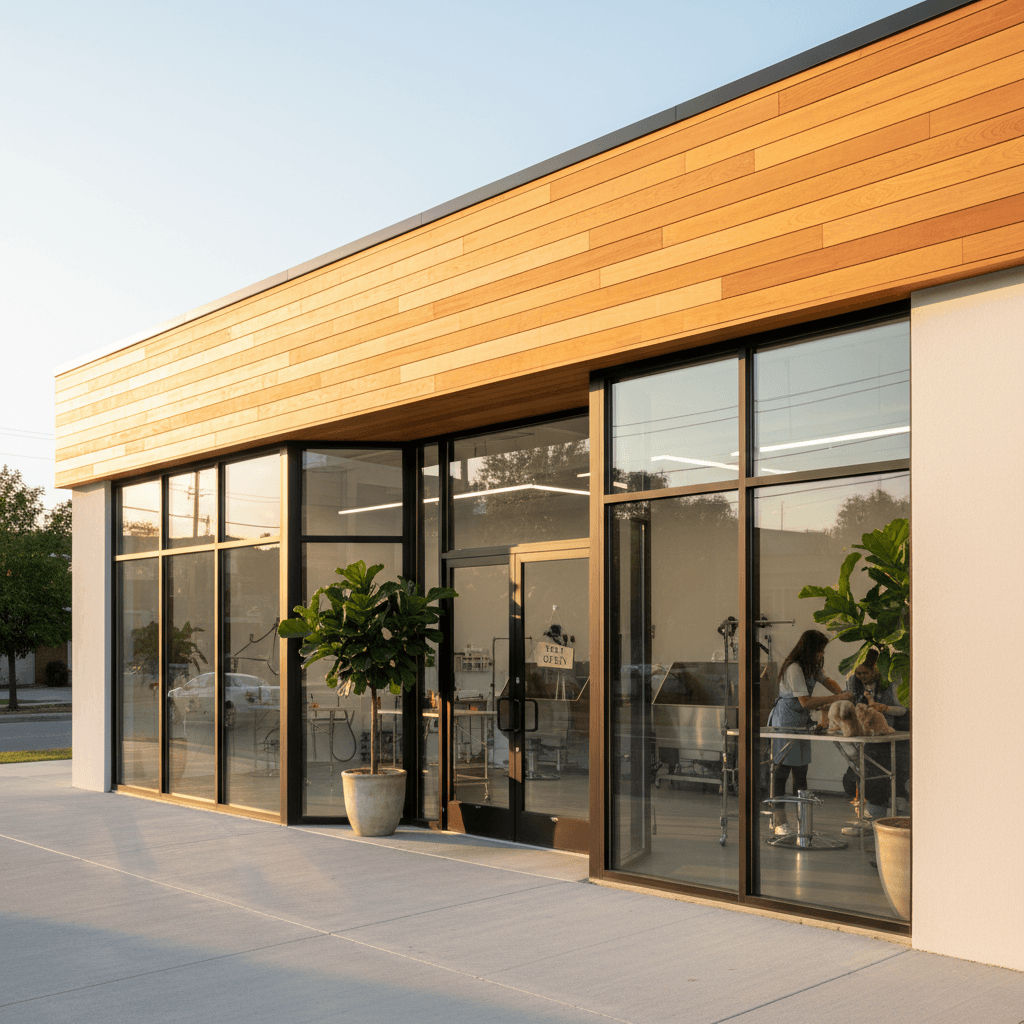
The US pet grooming and boarding industry is worth $15.4 billion in 2026, according to IBISWorld. That figure has grown at a 7.6% compound annual rate since 2021, and there are no signs of slowdown. With 67% of American households now owning a pet ( APPA, 2025), grooming demand is strong in virtually every market.
Starting a grooming business is more accessible than most people think. You don't need a huge bankroll or years of business school. What you do need is a clear plan, the right licenses, decent equipment, and a willingness to learn as you go. This guide walks through every step, with real numbers and practical advice.
Key Takeaways
- Startup costs range from $15,000 (home-based) to $100,000 (mobile van), depending on your model.
- Business owners earn $60,000 to $120,000+ per year, well above the $39,201 average groomer salary (Salary.com, 2026).
- You can open with as few as 4 core steps: business plan, licensing, equipment, and a booking system.
- The industry grew 7.6% annually from 2021 to 2026, making this one of the strongest small-business bets in pet care.
Is a Pet Grooming Business Right for You?
The average dog groomer earns $39,201 per year, or about $19 per hour, according to Salary.com (2026). But business owners tell a different story. Groomers who run their own shops or mobile operations routinely earn $60,000 to $120,000 or more per year ( Glassdoor, 2026). The gap between employee and owner income is one of the biggest reasons groomers go independent.
The daily reality
Grooming is physical work. You'll stand for 8+ hours, lift dogs of all sizes, and make repetitive scissoring motions that wear on your wrists and shoulders over time. A typical day involves 5 to 10 full grooms, client communication at drop-off and pickup, cleaning between appointments, and managing your schedule.
It's also deeply rewarding. You get creative expression with every breed, build genuine relationships with clients and their pets, and enjoy a level of schedule flexibility that most jobs can't match. But go in with your eyes open: the first year is a grind of building clientele, refining your skills, and learning business basics.
Already wondering about the training side? Our guide on how to become a dog groomer covers certifications, apprenticeships, and grooming school options in detail.
Salon vs. Mobile: Which Business Model Should You Choose?
There are roughly 169,481 grooming businesses operating in the US as of 2025, growing at 4.1% year over year ( IBISWorld, 2025). That growth is split between brick-and-mortar salons, mobile grooming vans, and an increasing number of home-based operations. Your first major decision is which model fits your budget, lifestyle, and market.
| Factor | Salon | Mobile |
|---|---|---|
| Startup cost | $15,000 - $80,000 | $30,000 - $100,000 |
| Monthly overhead | $2,000 - $6,000 (rent, utilities) | $800 - $2,000 (fuel, maintenance) |
| Revenue potential (year 1) | $60,000 - $120,000 | $50,000 - $100,000 |
| Flexibility | Fixed location, set hours | Choose your service area daily |
| Scalability | Hire staff, add stations | Add vans, harder to manage |
| Walk-in potential | Yes, with street visibility | None |
When a salon makes more sense
A salon works best if you want to build a team, handle higher daily volume, and eventually step away from grooming every dog yourself. Rent is your biggest ongoing cost, but a good location with visibility brings in walk-in traffic and brand awareness that mobile businesses struggle to replicate. If you're in a suburb with an accessible retail space, a salon is often the faster path to scaling.
When mobile is the better bet
Mobile grooming commands premium pricing because of the convenience factor. Clients happily pay 20-40% more to avoid the drop-off and pickup routine. You also skip the lease, which removes the largest fixed expense a salon carries. The trade-off? Higher upfront cost for the van, limited to one dog at a time, and driving time between appointments that eats into your billable hours.
For a deeper look at the mobile model, read our mobile grooming business guide. If you're leaning toward a fixed location, explore salon management features to see what running a multi-groomer shop looks like.
How Do You Write a Grooming Business Plan?
Americans spent over $150 billion on their pets in 2025 ( APPA, 2025), and grooming captures a growing share of that total. A business plan turns those macro numbers into a roadmap specific to your market, your services, and your financial reality. It doesn't need to be 50 pages. It does need to be honest.
What to include
Executive summary. One page describing your business model (salon, mobile, or home-based), target market, and revenue goal for year one. Keep it tight. If you can't explain your business in 200 words, you haven't narrowed your focus enough.
Services and pricing. List every service you'll offer, from basic bath-and-brush packages to full breed-standard grooms, nail trims, teeth brushing, and add-ons like de-shedding treatments. Assign a price range to each. We've published a full dog grooming pricing guide if you need help with this section.
Target market. Define your ideal client. Are you serving busy professionals who want convenience? Families with multiple pets? Show dog owners who need breed-specific cuts? Your target market shapes everything from location to marketing.
Financial projections. Estimate your startup costs (we'll cover those in detail below), monthly expenses, and revenue based on a realistic number of daily grooms. Most new groomers complete 4 to 6 dogs per day. At $50 to $90 per groom, that's $1,000 to $2,700 per week before expenses. Work backward from your income goal to determine how many clients you need.
What Licenses and Insurance Do You Need?
General liability insurance for pet groomers costs $500 to $2,000 per year depending on your coverage limits and location. That's a small price for protecting your business from a single incident, like a dog bite or an allergic reaction, that could otherwise bankrupt a new operation. Legal setup isn't glamorous, but skipping it is the fastest way to lose everything you've built.
Business formation
Most groomers form an LLC. It's simple, affordable ($50 to $500 depending on your state), and separates your personal assets from your business liabilities. You can file online in most states. You'll also need an EIN (Employer Identification Number) from the IRS, which is free and takes about five minutes.
Licenses and permits
Every state requires a general business license, typically $50 to $400. Some cities and counties have additional permits. A few states require specific kennel or grooming facility permits, especially if you'll have animals on your premises for extended periods. Check your state's Department of Agriculture or Secretary of State website for the exact requirements.
Grooming certifications are not legally required in most states. However, certifications from the National Dog Groomers Association of America (NDGAA) or International Professional Groomers (IPG) signal professionalism and can justify higher prices.
Insurance coverage
At minimum, you need general liability insurance. It covers property damage, bodily injury, and incidents that happen during grooming. Professional liability (also called care, custody, and control insurance) specifically covers injuries to the animals in your care. If you plan to hire employees, workers' compensation insurance is required in most states.
What happens if a dog slips off your table and breaks a leg? Without professional liability insurance, you're personally responsible for the vet bills and potential lawsuit. With it, your insurer handles the claim. For a business that handles anxious animals and sharp tools all day, insurance isn't optional.
How Much Does It Cost to Start a Pet Grooming Business?
Startup costs range from $5,000 for a basic home-based setup to $100,000 for a fully equipped mobile van. The biggest variable is your business model. According to industry estimates compiled from small business lenders and grooming trade associations, here's what to expect by category.
Salon startup costs
| Category | Low Estimate | High Estimate |
|---|---|---|
| Lease deposit and buildout | $3,000 | $25,000 |
| Grooming equipment | $3,000 | $8,000 |
| Plumbing and tub installation | $2,000 | $10,000 |
| Furniture and fixtures | $1,000 | $5,000 |
| Business licensing and formation | $200 | $1,000 |
| Insurance (first year) | $500 | $2,000 |
| Initial supplies and products | $500 | $2,000 |
| Marketing and signage | $500 | $3,000 |
| Software and POS | $0 | $1,200 |
| Total | $10,700 | $57,200 |
Mobile grooming startup costs
| Category | Low Estimate | High Estimate |
|---|---|---|
| Grooming van (new or used) | $20,000 | $70,000 |
| Van conversion and buildout | $5,000 | $15,000 |
| Grooming equipment | $3,000 | $8,000 |
| Generator or electrical system | $1,000 | $5,000 |
| Water tank and plumbing | $500 | $2,000 |
| Business licensing and formation | $200 | $1,000 |
| Insurance (first year) | $800 | $2,500 |
| Vehicle insurance and registration | $1,500 | $3,500 |
| Total | $32,000 | $107,000 |
The home-based option
If your zoning allows it, a home-based grooming setup is the cheapest way to start. You'll need a dedicated room (garage or spare bathroom works well), a grooming tub, table, dryer, and basic tools. Total cost: $5,000 to $15,000. The downsides are limited capacity, no street visibility, and potential HOA or zoning conflicts. But as a first step with minimal financial risk, it's hard to beat.
What Equipment Do You Need to Start Grooming?
A complete starter equipment kit costs $3,000 to $8,000 depending on quality and whether you buy new or used. You don't need top-of-the-line everything on day one. Buy the best clippers and dryer you can afford, since those are your most-used tools, and save on accessories you can upgrade later.
Essential equipment checklist
- Grooming table with arm and loop: $150 - $500. Hydraulic tables are worth the extra cost if you groom large breeds.
- Professional clippers (Andis, Wahl, or Oster): $150 - $350. Buy a backup pair. A dead clipper mid-groom is a real problem.
- Clipper blade set (10, 7F, 5F, 4F, 3F): $100 - $250.
- Shears set (straight, curved, thinning): $100 - $400. Don't cheap out here. Good shears last years and make a visible difference in finish quality.
- High-velocity dryer: $200 - $600. This is the piece of equipment groomers say they wish they'd invested in from the start.
- Bathing tub (stainless steel): $500 - $2,000. Only needed if you're building a salon or home setup.
- Brushes, combs, and dematting tools: $50 - $150.
- Nail clippers, grinders, and styptic powder: $30 - $80.
- Shampoos, conditioners, ear cleaner, cologne: $100 - $300 initial stock.
- Cleaning and sanitation supplies: $50 - $100.
Buy professional-grade from the start, even if it means fewer tools. Consumer-grade clippers from a pet store will burn out in weeks under daily professional use. Brands like Andis, Wahl, Chris Christensen, and Kenchii have earned their reputation for a reason.
How Should You Price Your Grooming Services?
The average full groom in the US costs $50 to $90 depending on breed, coat condition, and location. That range hasn't changed dramatically in recent years, but groomers who price strategically, offering tiered packages and premium add-ons, consistently out-earn those who charge flat rates across the board.
Sample pricing by service and size
| Service | Small (under 25 lbs) | Medium (25-50 lbs) | Large (50+ lbs) |
|---|---|---|---|
| Bath and brush | $25 - $35 | $35 - $50 | $50 - $75 |
| Full groom (haircut included) | $45 - $65 | $55 - $80 | $75 - $110 |
| De-shedding treatment | $30 - $45 | $40 - $60 | $55 - $80 |
| Nail trim (standalone) | $10 - $15 | $10 - $15 | $12 - $18 |
| Teeth brushing (add-on) | $8 - $12 | $8 - $12 | $8 - $12 |
Cost-plus vs. market-based pricing
Cost-plus pricing means calculating your time, supplies, and overhead per groom, then adding a margin. It's methodical but can leave money on the table if your market supports higher prices. Market-based pricing means researching what competitors charge and positioning yourself accordingly, either matching, undercutting, or going premium with better service.
The best approach? Use both. Calculate your floor price using cost-plus (you need at least X per groom to cover expenses), then adjust upward based on what the market will bear. Our dog grooming pricing guide breaks this formula down with real examples.
How Do You Get Your First Grooming Clients?
Without automated reminders, grooming businesses lose 15 to 20% of scheduled appointments to no-shows (industry average). That stat illustrates a broader truth: getting clients is only half the challenge. Keeping them, and getting them to show up, requires systems. Here's where to focus your energy in the first 90 days.
Google Business Profile (free and essential)
Your Google Business Profile is the single most important marketing asset you'll create. It's free, it shows up in local search results and Google Maps, and it's where most pet owners start when searching for "dog grooming near me." Fill out every field: hours, services, photos, and a detailed business description. Ask every happy client to leave a review. Businesses with 20+ reviews and a 4.5+ star rating dominate local search results.
Social media that actually works
Instagram and TikTok are perfect for groomers because the content creates itself. Before-and-after transformation photos are endlessly shareable. Film short clips of the grooming process. Post consistently (3 to 5 times per week) and use location-based hashtags. You don't need thousands of followers. You need 200 local pet owners who see your work regularly.
Local partnerships
Veterinary clinics, pet supply stores, dog trainers, and doggy daycares all serve your target client. Introduce yourself, leave business cards, and offer a referral incentive. A vet who trusts your work and recommends you to new puppy owners is worth more than any ad campaign.
Online booking as a competitive edge
Here's a question worth asking: would you rather call a grooming salon and wait on hold, or book online in 30 seconds? Your clients feel the same way. Offering online booking from day one signals professionalism and captures clients at the moment they're ready to commit. Many groomers still rely on phone calls and Facebook messages. That's an opportunity for you. See how AI-powered booking works.
What Software Do You Need to Run a Grooming Business?
The grooming industry has grown to 169,481 businesses ( IBISWorld, 2025), but most still run on paper calendars, sticky notes, and memory. That worked when the industry was smaller. It doesn't scale. Setting up business software on day one, before you have bad habits to unlearn, is one of the highest-return decisions you can make.
What to look for in grooming software
At minimum, your software should handle appointment scheduling, online booking, payment processing, and automated reminders (to fight that 15-20% no-show rate). Beyond the basics, look for client and pet profiles, grooming notes that carry over between visits, and reporting so you can track revenue and identify trends.
An AI receptionist is a newer category worth considering. It answers calls, books appointments, and handles common questions when you're elbow-deep in a Goldendoodle and can't reach your phone. That's not a luxury feature for a solo groomer; it's the difference between missing calls and capturing every lead. Learn more about AI scheduling.
The wrong time to figure out your business systems is when you have 15 clients a day and no way to track who's coming, who paid, and who's overdue for a nail trim. Get the foundation right early and everything else gets easier.
Frequently Asked Questions
How much does it cost to start a grooming business?
Expect to invest $15,000 to $100,000 depending on your model. A home-based setup can start as low as $5,000. A salon typically costs $15,000 to $80,000, while a mobile grooming van runs $30,000 to $100,000 including equipment and buildout. The largest variable costs are real estate (salon) or the vehicle (mobile).
Do you need a license to groom dogs?
Most states don't require a specific grooming license, but you will need a general business license ($50 to $400) in every state. Some municipalities require additional permits for businesses that house animals. Grooming certifications from organizations like the NDGAA are voluntary but add credibility and can justify higher pricing.
How much do dog groomers make per year?
The national average is $39,201 per year, or about $19 per hour ( Salary.com, 2026). However, grooming business owners frequently earn $60,000 to $120,000 or more annually ( Glassdoor, 2026). Location, clientele, and whether you specialize in premium services all affect the upper end of that range.
Is a mobile grooming business profitable?
Yes. Mobile groomers charge 20 to 40% more per appointment than salon groomers because of the convenience premium. Monthly overhead is lower since you skip rent. The main constraints are driving time between appointments and serving only one dog at a time. Most successful mobile groomers earn $50,000 to $100,000+ in their first full year.
What insurance do pet groomers need?
At minimum, general liability insurance ($500 to $2,000 per year). You should also carry professional liability insurance (care, custody, and control), which covers injuries to pets in your care. If you hire employees, workers' compensation is required in most states. Mobile groomers need commercial vehicle insurance on top of everything else.
Ready to run your grooming business with AI?
Groomify gives you AI scheduling, online booking, payments, and a 24/7 AI receptionist from day one. Free 14-day trial.