Dog Grooming Pricing Guide 2026: How Much to Charge for Every Service
Data-backed pricing for every grooming service, breed size, and business model: so you stop undercharging and start building a profitable grooming business.
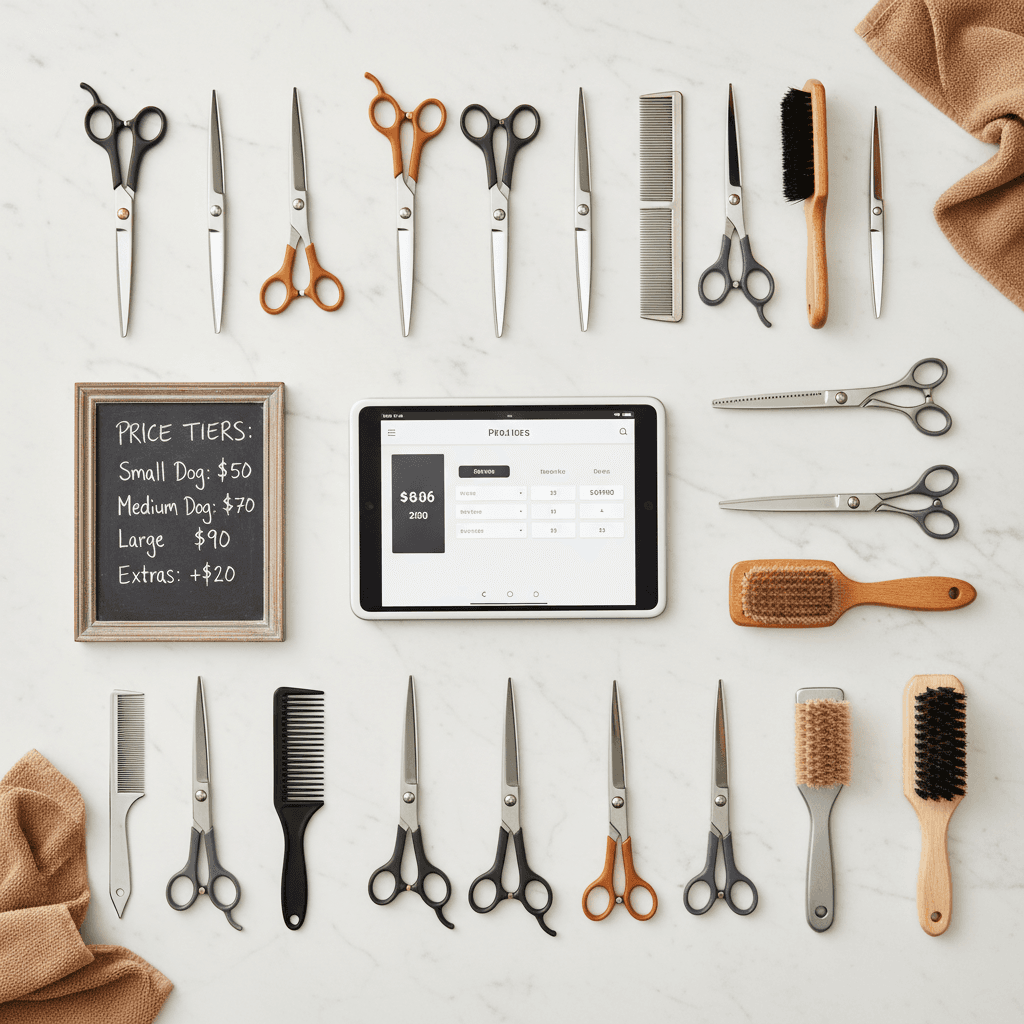
Pricing is the single most important business decision a groomer makes, and the one most groomers get wrong. Undercharge, and you work 50-hour weeks while barely covering costs. Overcharge without justification, and clients go elsewhere. The sweet spot is charging what your services are genuinely worth, backed by real data on what the market bears.
This guide pulls together 2026 national pricing data across every service, size category, breed, and business model. Whether you're opening your first salon, going mobile, or reviewing your existing rate sheet, these numbers give you a solid foundation to build profitable pricing, and the framework to explain your rates confidently to every client.
Average Dog Grooming Prices in 2026
Nationally, a full groom (bath, haircut, nail trim, ear cleaning, and blow-dry) runs between $40 and $90 for most dogs. A bath-only service (no cut) typically falls between $25 and $50. Those ranges look wide because they are: a toy-breed bath in rural Iowa and a giant-breed bath in Manhattan are genuinely different services at genuinely different price points.
Regional variation is significant. Groomers in major metro areas (New York, Los Angeles, Chicago, Miami) average 25–40% higher than the national median. Suburban markets cluster around the median. Rural markets run 10–20% below. Within any region, coat condition is the second-biggest price driver: a well-maintained dog in for a routine groom costs far less labor than a matted dog who hasn't been groomed in six months.
The trend since 2022 has been consistent upward pressure. Supply-chain increases raised shampoo, conditioner, and blade costs 15–25%. Labor costs rose in most states. Groomers who have not adjusted prices in two or more years are almost certainly working for less than they were in real terms. The data in this guide reflects current 2026 market rates; use it to sanity-check your own menu.
Dog Grooming Prices by Size
Size is the primary lever in any grooming price structure. Larger dogs take more time, use more product, wear out blades and shears faster, and are physically more demanding to handle. Most salons use four size tiers. Mobile groomers often use the same tiers with a premium applied on top.
The ranges below reflect 2026 national averages across salon settings. Your local market may sit 10–30% above or below these figures, but the relative ratios between sizes should hold.
| Size Tier | Weight Range | Bath & Brush | Full Groom |
|---|---|---|---|
| Small | Under 20 lbs | $25–$35 | $40–$55 |
| Medium | 20–50 lbs | $35–$50 | $50–$70 |
| Large | 50–80 lbs | $45–$65 | $65–$90 |
| XL / Giant | 80+ lbs | $60–$85 | $80–$120+ |
A few important caveats on using these tiers. First, coat type matters as much as weight. A 30-lb Cocker Spaniel in full show coat takes substantially longer than a 30-lb Labrador with a wash-and-wear coat. Many groomers add a coat-complexity surcharge of $10–$20 on top of the base size price. Second, temperament and behavior affect your actual cost of service. A dog that requires significant handling time, muzzling, or extra patience costs you real labor. It's reasonable to add a handling fee of $10–$25 for difficult dogs. Third, condition surcharges for matting, excessive shedding, or skin conditions are discussed separately in Section 9.
Dog Grooming Prices by Service Type
A well-structured grooming menu separates base services from add-ons, making it easy for clients to understand what they're paying for and easy for you to upsell. The table below covers every standard service, with national price ranges for 2026. Where prices vary significantly by size, both ends of the range are shown.
| Service | Price Range | Notes |
|---|---|---|
| Full Groom (bath, cut, nails, ears, blow-dry) | $40–$120+ | Varies by size and coat type |
| Bath & Brush (no haircut) | $25–$85 | Includes blow-dry and light brushing |
| Nail Trim Only | $12–$20 | Quick service; good for between-groom visits |
| Nail Grinding / Dremel | $15–$25 | Add $5–$10 over clip-only nail trim |
| Teeth Brushing | $10–$18 | Add-on; enzymatic toothpaste recommended |
| De-shedding Treatment | $15–$45 | Size-dependent; includes special shampoo + blow-out |
| De-matting (mild) | $10–$25 | Per 15–30 min of dematting work |
| De-matting (severe) | $25–$75+ | Or shave-down flat fee; disclose upfront |
| Flea / Tick Treatment | $15–$30 | Medicated shampoo + extra rinse time |
| Sanitary Trim | $10–$20 | Belly, groin, and rear trim only |
| Face / Feet / Tail Trim | $15–$30 | Often called a "tidy" trim between full grooms |
| Ear Cleaning | $10–$18 | Flush and wipe; stand-alone or add-on |
| Ear Hair Removal | $10–$15 | Breeds with hair in ear canal (Poodles, Doodles) |
| Anal Gland Expression | $12–$25 | External expression only; internal requires vet |
| Blueberry Facial | $10–$18 | Gentle facial scrub; high perceived value |
| Cologne / Spritz | $5–$10 | Low cost, high perceived value |
| Bandana / Bow | $3–$8 | Great for photos and client social posts |
| Pawdicure (moisturizing treatment) | $10–$20 | Paw balm, nail trim, light massage |
When building your service menu, resist the urge to bundle everything into one "full groom" price. Itemized menus let clients see exactly what they're getting, make upselling natural and transparent, and allow you to adjust individual service prices without overhauling your entire rate sheet. Groomify's online booking system lets you display your full service menu with descriptions, so clients arrive knowing exactly what they booked.
Breed-Specific Pricing Guide
Breed is arguably the most nuanced pricing variable. Two dogs of identical weight can require drastically different amounts of time based on coat texture, length, and maintenance needs. A Golden Retriever and a Poodle might both weigh 60 lbs, but the Poodle's curly coat, which requires precise scissor work and regular reshaping, justifies a meaningfully higher price.
The table below shows typical full groom prices (bath, cut, blow-dry, nails, ears) for the most commonly groomed breeds in 2026. These are national medians for a well-maintained coat in a salon setting. Add 20–40% for mobile services, and adjust up for poor coat condition or difficult temperament.
| Breed | Typical Weight | Full Groom Range | Notes |
|---|---|---|---|
| Poodle (Standard) | 45–70 lbs | $70–$100 | Labor-intensive scissor work; every 4–6 wks |
| Poodle (Miniature) | 10–15 lbs | $50–$70 | Same complexity as Standard, smaller scale |
| Goldendoodle / Labradoodle | 30–80 lbs | $65–$110 | Highly variable coat; dematting common |
| Golden Retriever | 55–75 lbs | $60–$85 | Heavy shedding; de-shed upgrade popular |
| Shih Tzu | 9–16 lbs | $45–$65 | Long, silky coat; matts quickly |
| Yorkshire Terrier | 4–7 lbs | $40–$60 | Fine coat; teddy or traditional styles |
| Siberian Husky | 35–60 lbs | $65–$95 | Double coat; heavy shedding; never shave |
| German Shepherd | 50–90 lbs | $60–$90 | Double coat; de-shedding treatment standard |
| Bichon Frise | 12–18 lbs | $50–$70 | Fluffy coat; scissor finish; every 4–6 wks |
| Cocker Spaniel | 20–30 lbs | $55–$80 | Long ears; prone to matting and ear issues |
| Maltese | 4–7 lbs | $40–$60 | Long silky coat; tangles easily |
| Bernese Mountain Dog | 70–115 lbs | $85–$130 | Long, thick double coat; time-intensive |
Doodles deserve special mention. The Goldendoodle and Labradoodle category is now the single most common breed many urban and suburban groomers see, and the most likely to be underpriced. Doodle coats range from loosely wavy (easier) to tightly curled (Poodle-like complexity) and are extremely prone to matting, especially behind the ears, in the armpits, and around the collar. A Doodle in full coat that needs a trim, dematting work, and proper scissor finishing can easily be a 2.5–3 hour service. Price accordingly.
Pricing by Business Model
Your operating model shapes your cost structure, which directly affects how you should price. Two groomers with identical skills can have very different break-even points and therefore very different floor prices, based solely on how they run their business.
Brick-and-Mortar Salon
A traditional salon carries the highest fixed costs: rent, utilities, buildout, and often staff. Monthly overhead in a mid-size market typically runs $3,000–$8,000 before you pay yourself. This model supports higher volume (multiple dogs per day) but requires consistent booking to cover fixed costs. Average prices in a well-run salon should target a minimum of $35–$50 in revenue per hour of grooming time, with full grooms on medium dogs yielding $55–$75.
Mobile Grooming
Mobile groomers operate from a self-contained van or trailer and visit clients at home. The premium over salon pricing is typically 20–40%, justified by the convenience, one-on-one attention, and reduced stress for the dog. A mobile groomer who charges $65 for a medium-dog full groom in a salon would reasonably charge $80–$90 for the same service at the client's home. Operating costs for mobile include vehicle payments, fuel, insurance (higher for commercial vehicles), generator maintenance, and water supply; all of which support the premium pricing.
Mobile groomers typically see 4–6 dogs per day vs. 8–12 in a busy salon, so per-dog revenue must be correspondingly higher to generate comparable gross income.
Home-Based / Garage Salon
Groomers working from a dedicated home space have lower overhead than commercial salons but still incur meaningful costs: equipment, insurance, utilities, and marketing. Pricing typically falls between mobile and salon: 5–15% below a comparable commercial salon, or at parity if your location is convenient and your reputation is strong.
Geographic Adjustments
Urban markets support premium pricing due to higher local cost of living, higher client income levels, and higher demand concentration. Rural markets typically run 15–25% below national medians. Suburban markets cluster around the median. If you're unsure where your market sits, mystery-shop three to five competitors within a 10-mile radius and price relative to the range you find.
Solo vs. Multi-Staff
Solo groomers have complete control over their time but limited capacity. When demand exceeds capacity (a strong indicator that prices are too low), raising prices is the correct response, not just hiring help. Multi-staff operations have more flexibility on pricing because volume can compensate for lower per-service margins, but staff costs (wages, taxes, workers' comp) must be fully accounted for in the price floor.
How to Set Your Prices
There are three established pricing methods for service businesses. The best approach combines all three: start with cost-plus to find your floor, use market-based pricing to find your ceiling, and apply value-based thinking to decide where between floor and ceiling to land.
Cost-Plus Pricing
Cost-plus starts from your actual costs and adds a target profit margin. Begin with your monthly fixed costs:
- Rent or vehicle payment
- Utilities (electric, water, internet)
- Insurance (liability, property, commercial vehicle if mobile)
- Software and booking tools
- Marketing and advertising
- Equipment maintenance and replacement reserve
- Loan repayments if applicable
Add your variable costs per dog: shampoo/conditioner (~$1.50–$3), towels, blade wear, gloves, disposal, and similar supplies typically run $3–$6 per dog in a well-run operation.
Divide total monthly costs by the number of dogs you groom per month to get cost-per-dog. Add your target hourly rate for your own labor (you are the highest-value input in your business; pay yourself accordingly, at minimum $25–$35/hr before profit, ideally $40+). Multiply your labor rate by average time per dog per service type. The result is yourprice floor: the minimum you must charge to break even including fair pay for yourself. Price below this and you are subsidizing your clients.
Market-Based Pricing
Market-based pricing anchors you to what clients in your area are actually paying. Research your local competition: visit their websites, call as a potential client, and note their rates for comparable services. Your price ceiling is roughly what the most expensive comparable competitor charges. Going meaningfully above that requires a strong differentiation story (reputation, specialization, premium experience).
Aim to price in the top third of your local market if your quality and experience justify it. Studies of service businesses consistently show that customers associate higher prices with higher quality. Being the cheapest in your market rarely attracts the clients you want.
Value-Based Pricing
Value-based pricing asks: what is this service worth to the client, not just what does it cost you to deliver? Clients who book mobile grooming value convenience and their dog's comfort extremely highly. Clients booking a specialist groomer for a show cut are paying for expertise they cannot get elsewhere. Clients with anxious dogs are paying for a calm, one-on-one experience that keeps their dog safe and stress-free. All of these warrant premium pricing beyond what a pure cost-plus calculation would suggest.
Track your client retention rate. If clients book again and refer friends readily, you are delivering exceptional value and almost certainly have room to raise prices without losing them. Use Groomify's revenue reporting to see exactly which services and clients drive your profitability.
When to Raise Your Prices
Most groomers raise prices too infrequently and by too little. The result is real-terms pay cuts every year as costs rise while revenue stays flat. Sustainable businesses build annual price increases into their operating rhythm, treat them as normal business practice, and communicate them matter-of-factly to clients.
Clear Indicators It's Time to Raise Prices
- You haven't raised prices in 12+ months. Inflation runs 3–5% per year in grooming-relevant costs. An annual increase of 5–8% is not gouging; it's keeping pace.
- You're booked 2+ weeks out consistently. When demand exceeds supply, price is the correct balancing mechanism. Raise prices until you have a comfortable cushion in your schedule.
- Your supply costs have risen significantly. If shampoo, blade sharpening, or insurance costs jumped, your prices need to follow.
- You've added certifications or specializations. A Fear Free certification, a breed-specific specialization, or advanced scissoring training all represent real added value that justifies higher prices.
- You're tired, burned out, and barely profitable. This is the most important signal. You cannot serve your clients well if the economics of your business are grinding you down.
How Much to Raise
A 5–10% annual increase on most services is well within what loyal clients accept, especially when communicated with notice. For services that have been severely underpriced (a common issue with doodles and giant breeds), a one-time correction of 15–25% may be warranted. Apply larger increases to new clients immediately and phase them in for existing clients over one or two cycles.
How to Communicate Price Increases
Give clients 3–4 weeks of advance notice. A short, confident message works best. Something like: "To keep up with rising supply costs and continue providing the same level of care, [Business Name]'s prices will be updated on [date]. Your new rate for [service] will be [price]. Thank you for your continued trust. We look forward to seeing [dog name] soon."
Avoid over-explaining, apologizing, or hedging. Clients respect directness. Most loyal clients will not blink at a reasonable increase. The handful who leave over a $5 increase were almost certainly not clients you could build a sustainable business on anyway. Use Groomify's automated messaging to send price update notices to your full client list in minutes.
Add-On Services That Boost Revenue
Add-ons are the highest-margin items in any grooming menu. The base groom price covers your time and overhead. Add-ons represent services where the incremental time and supply cost is low but the perceived value to the client is high. Groomers who actively offer add-ons at booking or check-in consistently earn 15–25% more per dog than those who don't.
| Add-On Service | Typical Price | Supply Cost | Margin |
|---|---|---|---|
| Teeth Brushing | $10–$15 | ~$0.50 | Very high |
| De-shedding Treatment | $15–$30 | ~$2–$4 | High |
| Blueberry Facial | $10–$15 | ~$1 | Very high |
| Cologne / Spritz | $5–$8 | ~$0.10 | Extremely high |
| Bandana or Bow | $3–$6 | ~$0.25–$0.75 | Very high |
| Nail Grinding Upgrade | $5–$10 | ~$0.05 | Extremely high |
| Ear Hair Removal | $10–$15 | ~$0.25 | Very high |
| Pawdicure (balm treatment) | $10–$20 | ~$1–$2 | Very high |
| Anal Gland Expression | $12–$25 | ~$0.50 | Very high |
The key to add-on revenue is making suggestions feel like genuine recommendations, not upselling pressure. Tying add-ons to the individual dog works well: "Bailey has a double coat, so I'd recommend our de-shedding treatment today. It'll cut down on the shedding at home significantly." That's honest, relevant, and most clients will say yes.
Groomers who implement systematic add-on suggestions through their booking process, offering options when clients book online, see average revenue per visit climb $12–$18 compared to groomers who only mention add-ons verbally at drop-off. Groomify's AI booking suggests relevant add-ons based on breed and service history automatically, requiring zero extra effort from you. Learn more about AI-powered booking and add-on suggestions.
Common Pricing Mistakes Groomers Make
After reviewing pricing structures from hundreds of grooming businesses, the same mistakes appear again and again. Here's what to watch for in your own pricing.
1. Undercharging for Doodles and Double-Coat Breeds
This is the most expensive mistake groomers make. Doodle coats, Husky double coats, and similar breeds require significantly more time than their size would suggest. Pricing them by weight alone, treating a 45-lb Goldendoodle the same as a 45-lb Labrador, means you're losing $20–$40 on every single appointment. Charge by coat type, not just weight.
2. Not Charging for Matting
De-matting is skilled, time-intensive labor. If a dog comes in matted and you work through it without charging extra, you are working for free for that extra time. Establish a clear matting policy: mild matting includes a $10–$20 surcharge, severe matting warrants either an hourly de-matting fee or a flat shave-down fee. Communicate this policy upfront, in your booking system, and on your intake forms.
3. Flat-Rate Pricing Regardless of Size or Coat
Some groomers use a single price for "all dogs" to simplify their menu. This almost always means small, easy-coat dogs subsidize large, complex-coat dogs. Or large dogs are priced based on small dogs, leaving significant money on the table. Use size tiers at minimum, coat-type modifiers ideally.
4. Not Raising Prices Annually
Inflation is real and continuous. A business that doesn't raise prices is effectively cutting its own margin every year. Schedule an annual price review. January is a natural time, or the anniversary of your business opening. Even a $3–$5 increase across your menu adds up to thousands of dollars over a year of appointments.
5. Excessive Discounting
Introductory discounts, referral discounts, multi-dog discounts, and loyalty discounts can all make sense in moderation. But groomers who discount heavily and frequently train their clients to expect discounts and erode their own margins in the process. If you're discounting to attract clients, consider whether you'd rather compete on quality and experience at full price instead. Use Groomify's client management tools to run targeted promotions without blanket discounting.
6. Ignoring Regional Market Data
Pricing from national averages alone without checking your local market is a mistake in both directions. In a high-cost metro, national averages may leave you significantly underpriced. In a rural market, pricing to metro averages may put you above what your clients can bear. Know your market.
Using Software to Manage Your Pricing
Pricing is not just about what numbers are on your website; it's about whether those numbers are consistently applied, clearly communicated, and easy for clients to understand when booking. Manual pricing systems (phone quotes, handwritten estimates) create inconsistency, missed upsell opportunities, and lost revenue.
A grooming management platform like Groomify lets you build your complete service menu, with prices, descriptions, and add-ons, into your online booking flow. Clients see exactly what they're booking and what it costs before they arrive. There are no surprises at pickup, no awkward conversations about price, and no forgotten add-ons.
Beyond booking, revenue reporting lets you see which services generate the most revenue per hour, which add-ons are converting, and which clients are your highest-value regulars. This data makes price decisions concrete: instead of guessing whether your de-shedding add-on is worth promoting, you can see exactly how many clients are taking it and what it's contributing to your monthly revenue.
The payments and invoicing tools complete the picture: automated pre-authorization, easy checkout at pickup, and no-show protection through deposits all help ensure that the prices you set are the prices you actually collect. Together, these tools turn your pricing strategy into consistent, reliable revenue.
Setting prices that work
The numbers in this guide are a starting point, not a formula. Your specific market, your skill level, your business model, and your cost structure all shape what the right price is for your services. But the data is clear: most groomers are undercharging, and the solution is rarely to work harder. It's to price better.
Start by checking your current rates against the tables in this guide. If you're below the ranges for your size tier and service type, you have an immediate opportunity. Build a tiered service menu if you don't have one. Implement a systematic add-on strategy. Schedule your annual price review. And use your booking and reporting software to make sure your pricing strategy translates into real revenue in your pocket every day.
Your skills deserve fair pay. The clients worth keeping will pay fair prices.
Ready to run your grooming business with AI?
Groomify's smart booking lets clients see your prices, pick services, and book online. AI-powered add-on suggestions increase revenue per visit.